What is a Virtual Assistant?

Your calendar is filling up, your inbox keeps growing, and tasks that don’t really belong to your role are taking over your day. You’re not the only entrepreneur who recognises this. More and more business owners and managers are turning to a Virtual Assistant: professional support, delivered remotely, exactly when you need it. But what exactly is a Virtual Assistant—and what can you use one for? You’ll find out here.

Door Lisette Immink
Op 27 March 2026
Blog
What is a Virtual Assistant?

The definition of a Virtual Assistant

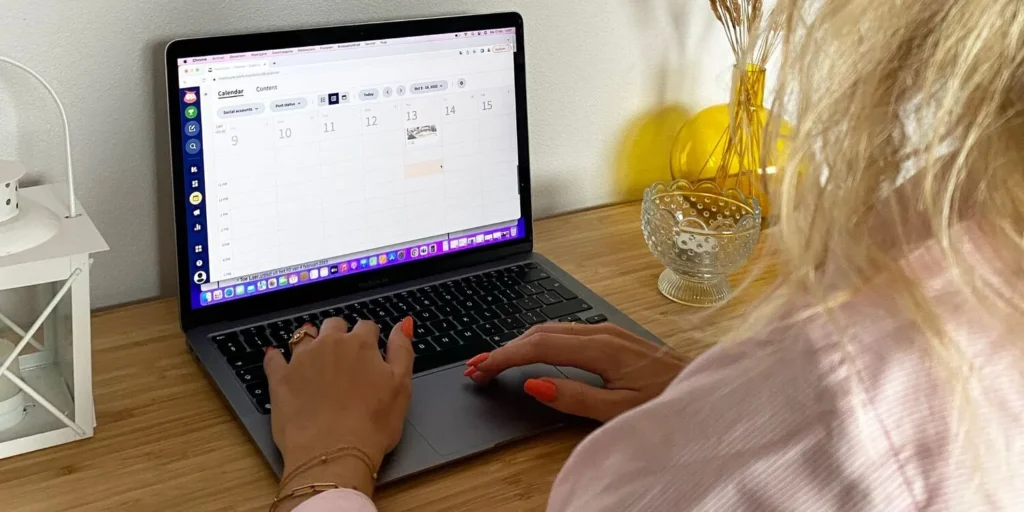
A Virtual Assistant, often shortened to VA, is an experienced professional who works remotely and supports you with administrative, secretarial or operational tasks. It’s a real person—not a chatbot or AI tool. The term “virtual” refers to the way of working: fully remote, typically from a home office.

A VA works on a flexible subscription or hourly basis. You decide how many hours of support you need each month. This makes a VA fundamentally different from a full-time employee: you can scale support up or down quickly, without the responsibilities of being an employer.

In the Netherlands, the term is often used interchangeably with “virtual assistant”. Both mean the same: professional support at a distance.

Important: don’t confuse a Virtual Assistant with AI assistants like Siri or Google Assistant. Those are automated. A VA is a person who actively thinks along with you, takes initiative and is responsible for delivering results.

What does a Virtual Assistant actually do?

The scope of a VA’s work is broad. Depending on your needs and the VA’s specialisation, tasks can vary widely. Want a full overview? Read our article on what a Virtual Assistant does.

Administrative and secretarial support

This is the most common use of a VA. Think of calendar management, email management, correspondence, invoicing and accounts receivable. A VA keeps your daily processes running so you can focus on your core work. Need help specifically with your calendar? A secretarial VA can step in immediately.

Social media and communication

A VA can manage your social channels, create content, send newsletters and analyse performance. Ideal if you want to professionalise your online presence without hiring a full-time marketer.

Project support

Running multiple projects at once? A VA monitors deadlines, tracks progress, prepares reports and manages communication within projects.

Client and sales support

From managing your customer service inbox to sending proposals and following up on leads: a VA ensures your client communication remains professional and consistent.

HR support

Screening CVs, posting vacancies, communicating with candidates and supporting onboarding. A VA can take care of HR support as your team grows.

Types of Virtual Assistants: which one fits your needs?

Not every VA offers the same services. You choose the type that suits your situation.

Generalist VA

Flexible and broadly deployable for operational and execution-based tasks. Works with multiple clients and delivers value quickly. Ideal for entrepreneurs looking to delegate a range of tasks.

Specialist VA

Has in-depth expertise in a specific area, such as social media, HR, tech or finance. Choose a specialist if you have a specific challenge that needs consistent attention.

Virtual Executive Assistant (VEA)

Works exclusively with one director or executive at a senior level. Focuses on complex scheduling, travel coordination, reporting and strategic support. Want to learn more? Explore Moneypenny’s executive assistant solution.

Virtual Assistant vs Personal Assistant: what’s the difference?

The terms are often used interchangeably, but there is a clear distinction. A Personal Assistant typically works exclusively with one person or director and builds a close, personal working relationship. A Virtual Assistant works remotely and is more flexible, often supporting multiple clients.

At Moneypenny, you’ll see both roles in practice. Want a deeper comparison? Read our article on what a Personal Assistant is.

Virtual Assistant vs Online Business Manager: what’s the difference?

These roles are often confused, but they differ significantly.

A Virtual Assistant carries out tasks you delegate—such as managing your calendar, handling emails or sending invoices. The direction remains with you.

An Online Business Manager (OBM) takes ownership of processes. They manage teams, oversee operations and contribute strategically to business growth. An OBM typically operates at a more senior level and carries greater responsibility.

Moneypenny’s Virtual Executive Assistant (VEA) sits between these roles: offering strategic support at executive level without taking over full business operations.

Virtual Assistant vs full-time employee: what suits you best?

Hiring a full-time employee is a significant commitment. Beyond salary, there are additional costs such as holiday pay, social contributions, pensions and potentially company benefits. There’s also the time and cost of recruitment, onboarding and administration.

A VA works on a flexible basis. You only pay for the hours you actually use.

When should you choose a VA?

A VA is the smartest choice when your support needs fluctuate, when you want to grow without fixed staffing costs, or when you need to move quickly without a lengthy recruitment process. Especially when you only need a few hours of support, a VA is ideal—you wouldn’t hire an employee for just one or two days per week.

A VA also offers more flexibility in scheduling, as hours can be spread across the week. Many entrepreneurs start with a VA and only transition to in-house staff later, once the business grows further. A VA acts as a valuable bridge during this phase.

When is a full-time employee the better choice?

If you need someone physically present in the office every day, or if the role requires full-time capacity and specialisation, a permanent employee may be a better fit. But especially in the early stages, a VA is often the most flexible and cost-effective option.

AI assistant vs human VA: which is better?

With the rise of AI tools like ChatGPT, a common question is: do you still need a human VA? The answer depends on your needs.

AI tools are fast for standard tasks such as generating text or finding information. But a human VA thinks proactively, understands the context of your business, communicates with clients on your behalf and takes responsibility for results. Trust is built with people—not automated responses.

AI can perform tasks, but it doesn’t understand your business. A good VA quickly learns how you think, what your priorities are and when to take initiative. That’s the difference.

— Marianne Sturman, Founder of Moneypenny

Moneypenny’s VAs use AI tools themselves to work more efficiently, combining human insight with the speed of technology. You get the best of both worlds.

The benefits of a VA for small businesses and freelancers

For smaller organisations in particular, a VA is highly valuable. You don’t have the overhead of a large company, but you maintain a professional image. Key benefits include:

  • Faster responses to clients with managed inbox support
  • No missed appointments or deadlines thanks to structured scheduling
  • Well-organised administration without spending hours on it yourself
  • Flexibility to scale up or down as your business evolves
  • No need to become an employer

Many entrepreneurs wait too long. They assume a VA is something for later and first try to figure out what they can delegate themselves. But that takes time. Start small—especially in the growth phase, a VA is one of the smartest decisions you can make.

— Marianne Sturman, Founder of Moneypenny

For freelancers, this also means accessing professional support through an agency—without the administrative burden of employment. Want to learn more about administrative support for freelancers? Explore our website.

How do you find a reliable Virtual Assistant?

You can find a VA via freelance platforms, but this comes with risks: you’re responsible for selection, matching and quality control. With an agency like Moneypenny, it works differently.

Moneypenny works exclusively with highly educated VAs employed directly, with confidentiality agreements and strict remote working protocols to ensure data security. They carefully match you with an experienced VA and guarantee continuity if a VA becomes unavailable. That provides peace of mind.

Curious about the cost of a VA? View our Virtual Assistant pricing or read our article on what a Virtual Assistant costs for a full overview.

You focus on what you do best—we take care of the rest.

Written by Marianne Sturman. Marianne is the founder of Moneypenny and a pioneer in remote working in the Netherlands. For over 25 years, she has been helping entrepreneurs and managers access professional remote support.

Curious what Moneypenny can do for you?

Get to know us online and ask all your questions. Or read more about our VA services.

Read more about working with a Virtual Assistant:

Blog: The Difference Between a Virtual Assistant and a Virtual Executive Assistant
11 November 2025 Blog

The Difference Between a Virtual Assistant and a Virtual Executive Assistant

More and more entrepreneurs, managers and teams are working with virtual assistants. And that’s no… Lees verder
Can i work with mulitple VA's?
21 May 2025 Blog

Can I work with multiple Virtual Assistants?

Are you wondering whether one Virtual Assistant (VA) is enough to help move your business forward?… Lees verder
What does a Virtual Assistant do?
20 June 2024 Blog Working with your VA

What does a Virtual Assistant do?

A Virtual Assistant (VA) is a professional who works remotely to support a client. For over 25… Lees verder

Put Moneypenny to work!

Boost your business with Moneypenny, the remote-expert.
We provide the support you need to thrive!